Understanding the psychological triggers that drive gambling behavior
The Nature of Gambling Addiction
Gambling addiction is a complex psychological condition that entices individuals into a cycle of behavior marked by compulsion and loss of control. This addiction often stems from a combination of environmental influences, personal predispositions, and emotional states. Many gamblers initially engage in this behavior for entertainment; however, they may quickly find themselves trapped in a continuous cycle of chasing losses, which exacerbates their psychological dependence. If you are looking to enhance your experience, consider exploring online pokies pay id options that offer ease of use and quick transactions.
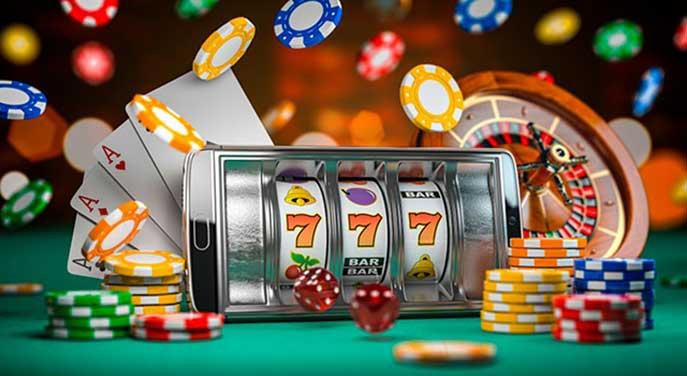
The thrill of placing bets can create an exhilarating rush, activating the brain’s reward system much like other addictive behaviors. Neurotransmitters, such as dopamine, surge during gambling, reinforcing the desire to continue engaging in this activity. This biological response, coupled with psychological factors like stress relief or escapism, significantly contributes to the compulsion to gamble, often overshadowing the potential risks involved.
Moreover, gambling addiction can disrupt personal relationships, finances, and mental health. Individuals may find themselves increasingly isolated as their gambling behavior intensifies. Understanding these psychological triggers is crucial for developing effective treatment strategies and helping those affected to regain control over their lives.
The Emotional Triggers Behind Gambling
Emotions play a significant role in gambling behavior, acting as both motivators and consequences of the activity. Many individuals turn to gambling as a form of escapism from stress, anxiety, or depression. The act of betting can provide an immediate, albeit temporary, relief from negative emotions. Gamblers often seek to fill an emotional void, believing that a big win could change their circumstances or elevate their mood.
Moreover, feelings of excitement and anticipation can lead to impulsive decisions in gambling settings. The high-stakes environment, filled with lights, sounds, and the possibility of winning, creates an adrenaline rush that can override rational thinking. This phenomenon is often referred to as the “gambler’s fallacy,” where individuals erroneously believe that past outcomes influence future results, leading them to gamble more despite previous losses.
The interplay of emotional triggers and gambling behavior highlights the necessity for a deeper understanding of individual emotional health. Identifying these emotional triggers can be the first step in addressing problem gambling and pursuing healthier coping mechanisms, such as therapy or support groups.
The Role of Cognitive Biases
Cognitive biases significantly influence gambling behavior, often leading individuals to make irrational decisions. One common cognitive bias in gambling is the belief in “hot” and “cold” streaks, where gamblers think certain outcomes are more likely based on previous results. This skewed perception distorts the reality of chance and probability, fostering a false sense of control over outcomes.
Another prevalent cognitive bias is the illusion of skill. Many gamblers believe that their strategies or methods can influence the outcome of games, particularly in games perceived as skill-based, like poker. This belief can lead them to engage in gambling longer than they should, often resulting in substantial financial losses. By understanding these cognitive biases, individuals may recognize the fallacies that drive their gambling behaviors, paving the way for more informed decision-making.
Educational programs that focus on demystifying these cognitive biases can be instrumental in combating gambling addiction. By fostering critical thinking and promoting awareness of these mental traps, individuals can be empowered to make better choices and reduce their vulnerability to gambling-related problems.
The Impact of Social Influences
Social influences play a pivotal role in driving gambling behavior, as peer pressure and societal norms can either encourage or deter individuals from engaging in gambling activities. For many, the social aspect of gambling—such as going to a casino with friends—adds a layer of excitement and camaraderie that enhances the overall experience. This social reinforcement can create a cycle where individuals feel compelled to gamble to fit in or enjoy shared experiences.
On the other hand, social stigma surrounding gambling addiction can hinder individuals from seeking help. The fear of judgment or ostracism often prevents those struggling with gambling problems from discussing their experiences with friends and family. This isolation can exacerbate the addiction and lead to further financial and emotional distress. Understanding the social dynamics of gambling can foster an environment where individuals feel safe to seek support and address their issues.
Community awareness programs can play an essential role in changing perceptions about gambling and its potential dangers. By cultivating a culture that prioritizes open dialogue about gambling-related challenges, individuals are more likely to seek help when needed, promoting healthier interactions with gambling activities.
Conclusion and Resources
Understanding the psychological triggers that drive gambling behavior is vital in addressing gambling addiction effectively. By exploring the interplay of emotional, cognitive, and social factors, we can foster awareness and promote healthier approaches to gambling. Individuals grappling with gambling-related issues can benefit from various resources, such as counseling and support groups that emphasize the importance of understanding personal triggers.
The journey to recovery begins with awareness and education. By recognizing the psychological mechanisms at play, individuals can make informed decisions that prioritize their well-being. If you or someone you know is struggling with gambling addiction, reaching out for professional help can pave the way toward a healthier, more balanced life.